
A project aimed at training and forming young leaders in schools located in the Holy Land, to promote active citizenship and a culture of caring, cooperation and sharing: a culture of the encounter.
The Focolare in the Holy Land, in collaboration with Children without Borders – Bethlehem, Conférence permanente des Villes historique de la Méditerranée, ISPROM and New Humanity NGO, is developing “togetherWEconnect”, a program to train young leaders in schools located in the Holy Land.
Through formation sessions, lectures, activities and interactive methods, the program aims at providing an experience in which students can:
- encounter one another: ‘together we connect’;
- develop and strengthen attitudes of active participation, care for others and for the environment, respect for differences and diversity, teamwork and mutual support;
- acquire skills that contribute to their human growth and empowerment.
This is a project that can be modulated and expanded to a growing number of schools and to other places in the Holy Land.


The program is targeted for students in 7th-8th-9th grades and offers a path that is developed gradually over three school years to ensure deeper and more effective personal processing and internalization of its contents. As students move forward along the path, they will become facilitators and animators for those just beginning the program.
In each school year, training sessions will involve participating students over a period of several months. Specific topics will be addressed by expert speakers or through appropriate educational materials: respect, recognition and care for others; violence prevention and conflict management; active participation in society; and integral ecology. Local and foreign professionals/trainers will promote workshops and activities (music, dance, theater, visual arts, and sports) focused on the addressed topics.
The year-long journey culminates in a final week during which events open to the public are planned: exhibitions, concerts/performances and tournaments that will see the involvement of families and representatives from other schools.
Sites
- Terra Santa College – Bethlehem
- Latin Patriarchate School – Beit Jala
- Greek Catholic Patriarchate School – Beit Sahour
- Talitha Kumi School – Beit Jala
- Collège des Frères – Jerusalem
- John di Evangelist Episcopal School – Haifa
- Italian School, Terra Santa – Haifa
- Carmel School – Haifa
As the project develops, other schools in other areas of the Holy Land could also be involved.
Implementation: during the 2024-2025, 2025-2026 and 2026-2027 school years
In each school year, training sessions will involve participating students over a period of several months.
Each formation topic will be delivered through lectures and activities over a period of 6 weeks, 45 minutes per week. A final delivery (in a form of poster, essay, short video clip, poem, photo, …) would then be shared with the other schools involved.
An ‘action’ present in the ‘Cube of Peace,’ a cube on whose faces there are sentences that help build peaceful relationships, would also be associated with each topic.
During the first year program, formation covers these 3 topics (related ‘Cube of Peace’ actions in brackets):
- Understanding oneself, self-esteem and personal development [Treat others as you want to be treated]
- Education to conflict management and encounter in teamwork [Forgive those who hurt you]
- Intergenerational and peer dialogue [Discover the good in others]
During the second year program, formation covers these 3 topics:
- Bullying prevention [Be first to reach out to others]
- Respecting laws, active citizenship [Treat each person with respect]
- Raising awareness on risky behaviors [Share each other’s joys and hurts]
The program ends, each year, with a series of workshops that, through interactive methods employing language and expression familiar to youth – sports, art, music, dance, theater – focused on the topics addressed during the formation months.
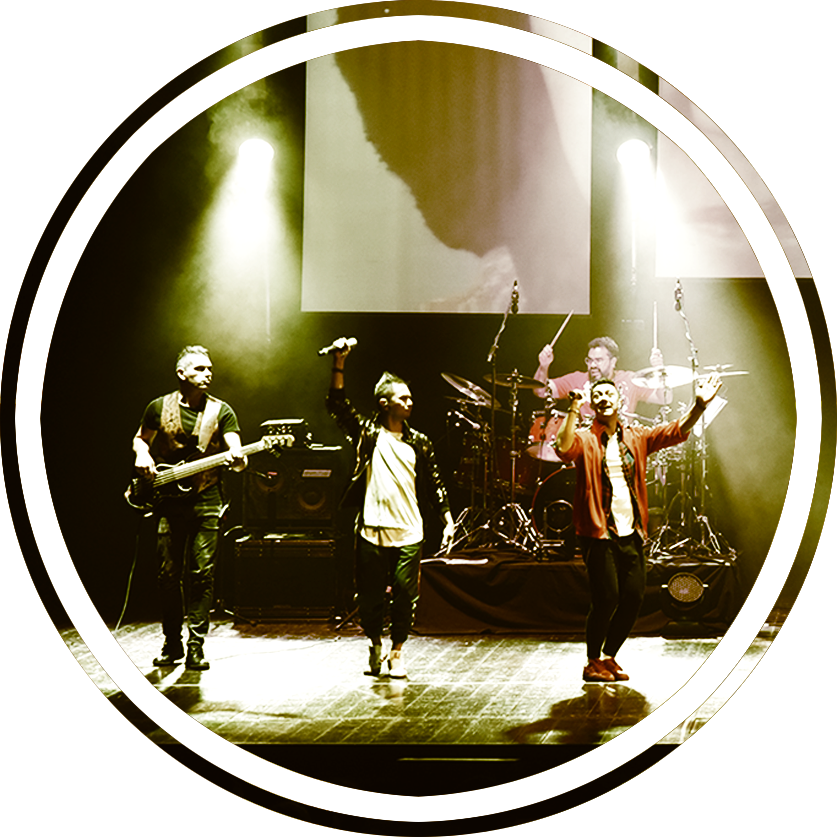
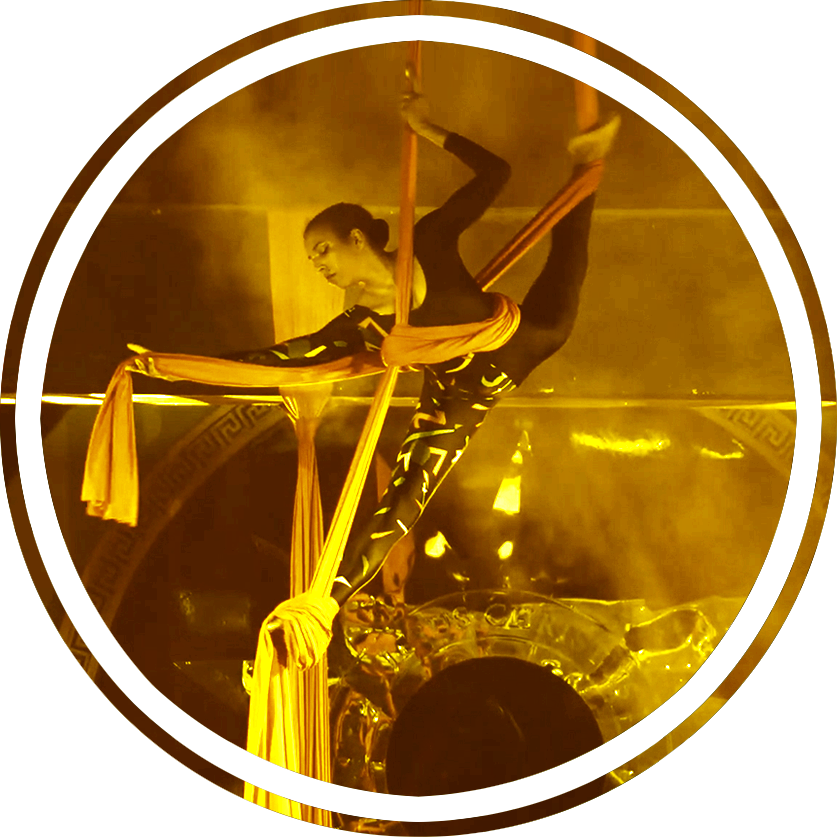
Music and Dance: Workshop sessions by performers/artists, both local and from abroad, focusing on the promotion of talents, empowerment and well-being, and producing a concert that shares a message of commitment to active citizenship.
Theater: Workshops coordinated by a professional theater school, aimed at building bridges of understanding, care and inclusiveness through educational activities, cultural meetings and the production of a final performance/play open to the public.
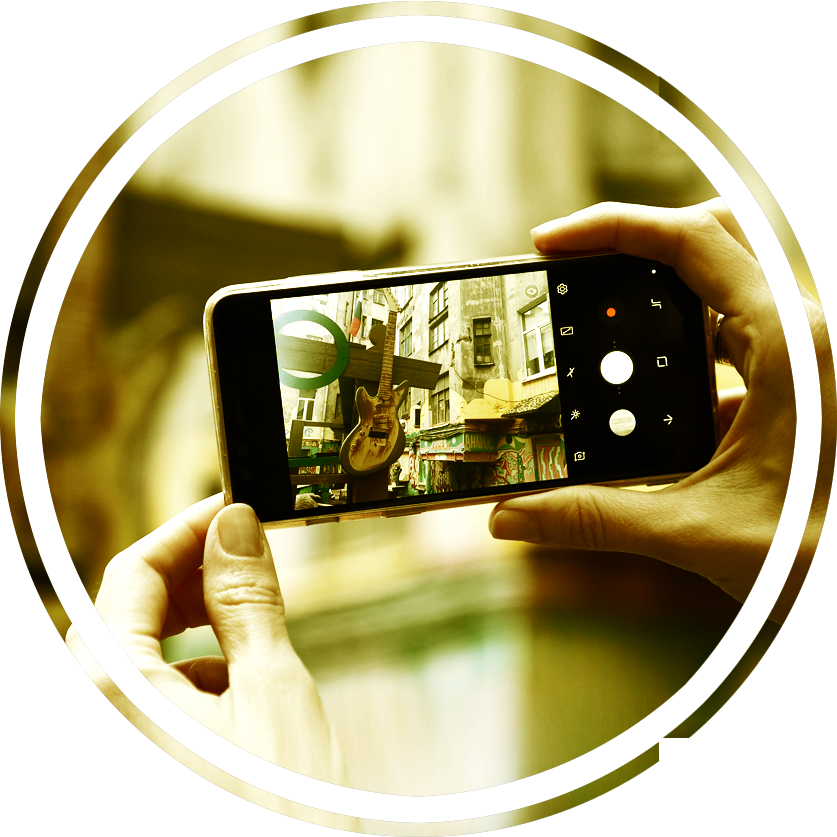
Photo/Video: Workshops offered by professionals aimed at producing short movies and artistic photos with the use of cell phones. A photo/video contest on themes such as “Share about Peace” and “Nature as Gift” will conclude the program. Artworks will be displayed and viewed during the “premiere” and/or published online.
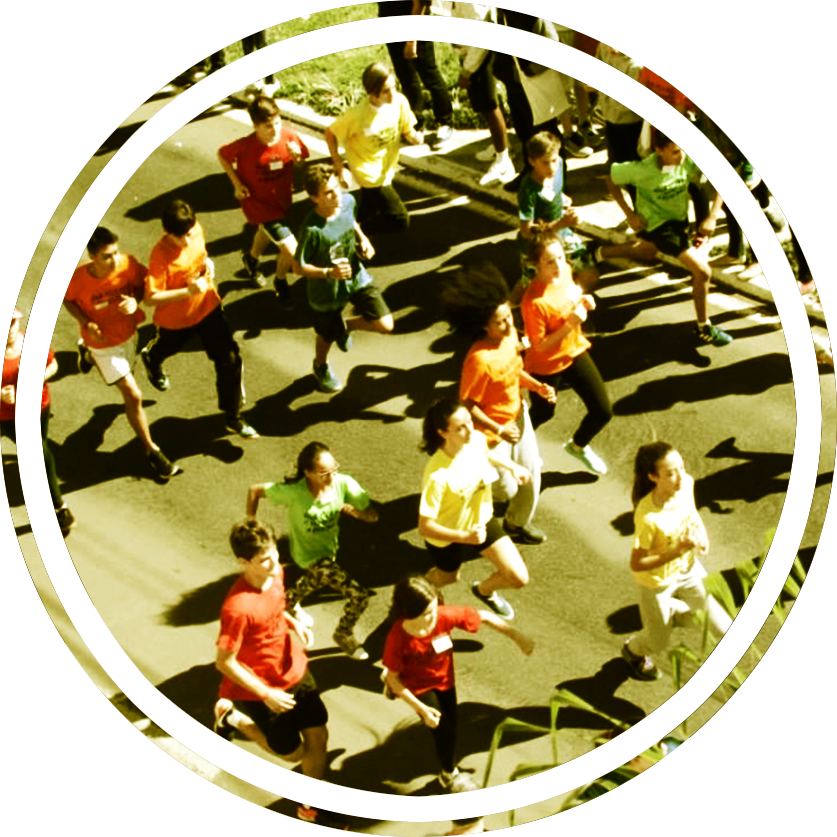
Sports: Formation meetings and team sports training sessions, highlighting values such as teamwork, fair play, solidarity. During games and a final tournament, the winning teams will be determined by the actual score and by the level of how much the proposed values are put into practice.
Peace Garden: Workshops combining art education and elements of landscaping, aimed at creating a “Peace Garden” where the “Cube of Peace” will be installed.
Images, videos, articles
Facebook page: https://www.facebook.com/profile.php?id=61566588639850
October 24, 2024 1st year launch event:
- https://www.focolare-hl.org/stories/together-we-connect-bridges-of-hope-and-peace/
- https://www.focolare-hl.org/stories/october-24-2024-launching-togetherweconnect/
May 2025 1st year workshops and final event:
Impressions
- The first thing we learned was good values: love, humility, forgiveness, helping each other … also we felt our class became one family. Now we understand each other better and help each other more. I also understood how I could be a light for others and realized that Focolare is not a name, but a way of life.
- We learned about values and how to live them in our lives. The activity that I liked the most and impressed me was ‘to untie the knots’: it was fun and useful, at the beginning it was complicated and we felt stuck, and we realized that we cannot untie knots except with teamwork, understanding, communication and patience.
- I met many new people. It was good and I found new strength!
- Through the ‘togetherWEconnect’ project I got to know myself more, and others, too.
- I learned to manage diversity and not deny it.
- I learned about positive and negative values.
- I learned to reject bullying.
- I learned to respect the other in order to be respected.
- I learned the values that are important in my life.
- I learned how to resolve conflicts.
- I learned methods to resolve conflict by listening and dialogue.
- I learned not to face problems alone but to ask for help from those who are older than me.
- I learned that for every problem or conflict there is a solution.
- I learned that there is a solution to conflict and understanding.
- I learned how to accept myself and others.
- I understood the importance of the voice of young people.
- I am personally very sensitive, but with this project, it made me love life more.
- It was a useful and fun project. For example, the dialogue among generations: when I tried it with my grandmother, I learned things I didn’t know before.
- We learned to solve our problems and conflict, with dialogue and love, without magnifying the problem.
- Beautiful – it brought us closer to God.
- I didn’t know the program before, but this program helped me deal with the conflict in the right way.
- The program helped me deal with conflict and respect and know each other’s opinion.
- It taught me many things, like how to help one another.
- We learned so many things, such as dealing with conflict and being brothers.
- The program of the Focolare was very beautiful, it taught me many things, how to understand each other, how to deal with conflicts, it decreased the negative things and increased the positive things.
- It has made us closer to each other and understand each other more and talk to each other to understand how to behave.
- At first, before knowing what the Focolare was, we thought we would participate to have fun, but when we went on, I realized that it shows us the way of Christ and distance us from evil.
- I didn’t know what the Focolare was, but then I realized that it is something that brings us closer to God.
- [teacher] I learned so much, perhaps more than the students. I enjoyed the program and it influenced my life and that of the students so much.
- [teacher] The activities, even though they were simple, helped the students to let out their negative feelings. They learned, to a certain extent, how to resolve conflicts they face in the right way. Just as there were sad moments where we cried together, we also had beautiful moments where we played, laughed together, did activities… we enjoyed it very much.
PROMOTERS:
- Focolare Holy Land
- Children Without Borders, Bethlehem
- ISPROM
- Conférence permanente des Villes historique de la Méditerranée
- New Humanity NGO